

Although progress has been made, organizations are still paying out
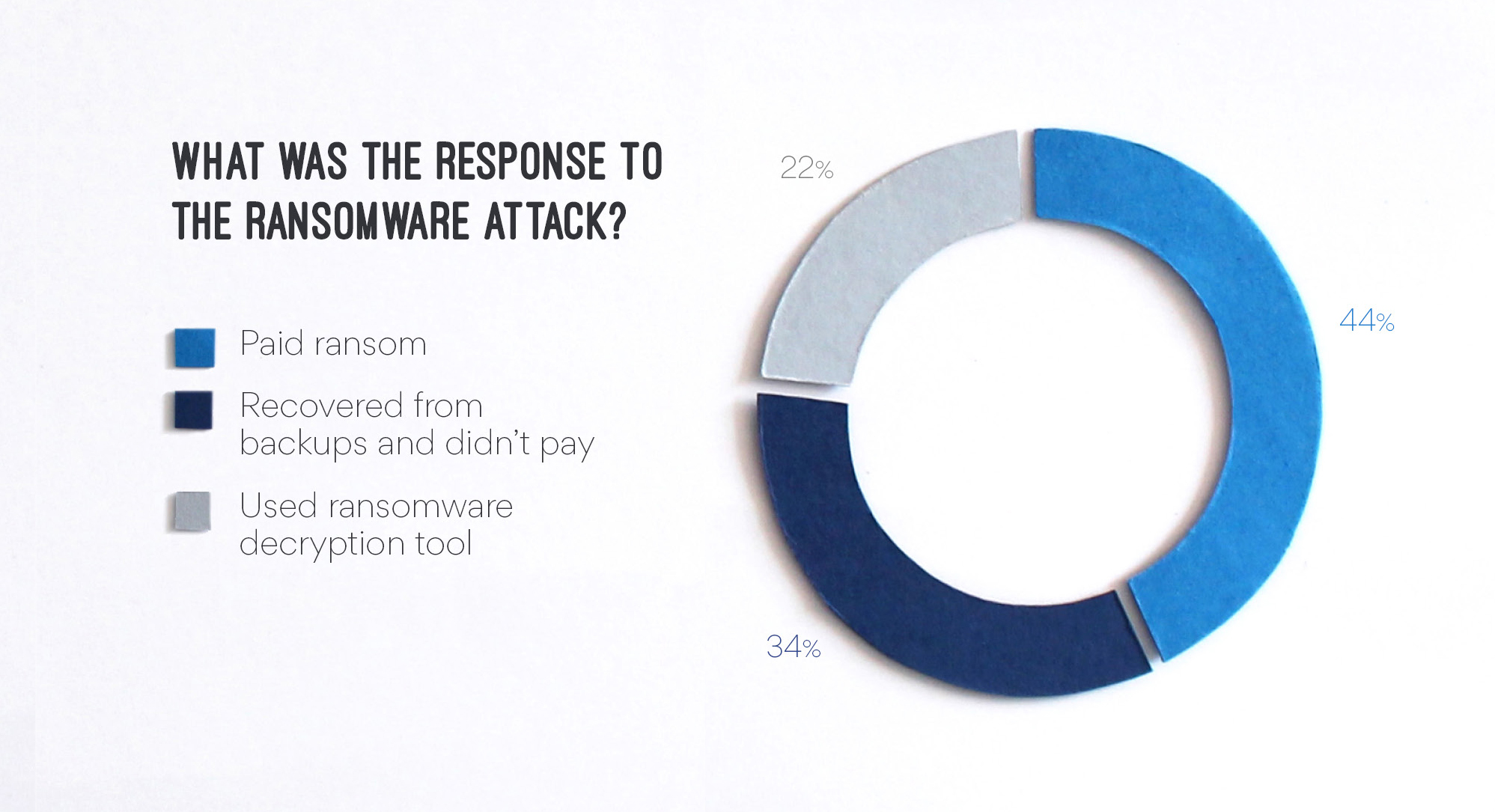
New research from Databarracks reveals that 44% of organizations that suffered a ransomware attack, paid the ransom. 34% recovered from backups, while 22% used ransomware decryption tools.
The findings come from the Databarracks 2022 Data Health Check. Running since 2008, the annual report surveys over 400 IT decision-makers in the UK on Ransomware, Cyber, Backup, Disaster Recovery, and Business Continuity.
Managing Director of Databarracks, James Watts commented: “From the perspective of the victim, it’s understandable why you might pay a ransom. You can’t service customers, you can’t take orders and losses quickly accumulate. The costs of downtime can quickly exceed the ransom.
“Organisations might think that paying the ransom resolves the problem more quickly so they can get back to business as usual. There are several reasons why this approach is flawed.
“Firstly, there’s no guarantee that you will get your data back. Secondly, it’s quite common for organizations to be attacked again once criminals know they are an easy target. Lastly, it sends the wrong message. By paying, you are indirectly encouraging the criminals, showing their tactics work.
“With the right preparation and guidance, however, you can recover your data, and never have to pay the ransom.
“Patch and update systems regularly, train staff on spotting phishing emails, and maintain the principle of least privilege.
“Immutable storage and physical or logical air-gaps will protect backups from also being changed or encrypted. If you do suffer an attack, your backups are your last line of defense.
“When you need to recover, identify your most recent, clean recovery point and carry out isolated, sandbox recoveries. Check to make sure no further ransomware is present before starting the full restoration. Lastly, test your Disaster Recovery Plan so know the process and you are confident you can recover quickly and effectively.
“This year’s survey also showed a growing number of organizations have a policy for whether they would pay out on a ransomware attack. 68% of organizations had a policy in place, up from 54% last year. The data demonstrate increasing awareness and better preparation for ransomware attacks.”
